Tag: Urban Eats

  • Halal Food Truck Business Guide

    Halal Food Truck Business Guide

    Halal Food Truck by European Food Truck Festival – The food truck industry offers a dynamic and flexible platform for entrepreneurs to launch food businesses with relatively lower startup costs and greater mobility compared to traditional restaurants. Operating a Halal food truck presents distinctive opportunities and challenges for entrepreneurs who are interested in supplying certified Halal cuisine or targeting the Muslim consumer base. This formal guide offers a thorough examination of the essential religious principles, practical operational concerns, and marketing strategies that are essential for the establishment and operation of a successful Halal food truck business.

    The establishment of a Halal food truck necessitates a meticulous equilibrium of strategic marketing, operational excellence, culinary creativity, and religious compliance. Entrepreneurs can establish a reputable brand that resonates deeply with Muslim consumers and appeals to a diverse broader audience by completely integrating the core principles of Halal with rigorous sourcing, kitchen practices, and community engagement. This guide provides a solid foundation to assist you in confidently navigating the distinctive features of this expanding and rewarding food service sector.
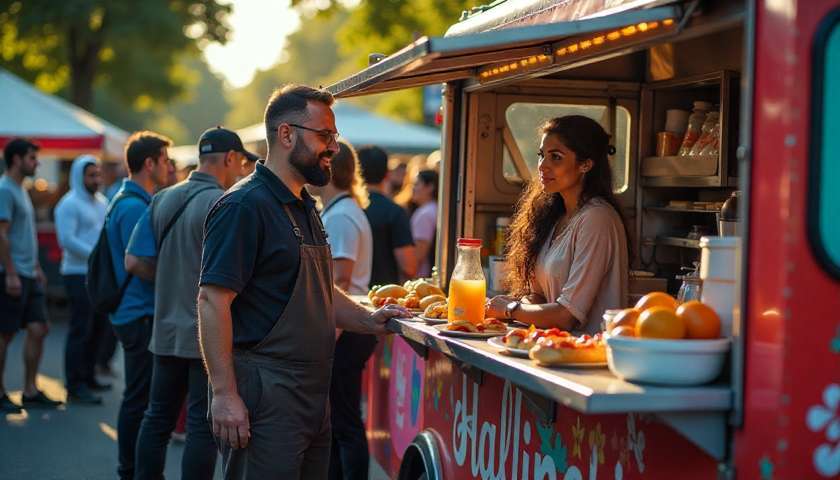
    Halal Food Truck
    Halal Food Truck

    Defining Halal Food Truck

    The concept of Halal is essential for the successful introduction of a food truck that adheres to Islamic dietary laws and meets the expectations of consumers.

    Core Principles of Halal Food Truck

    At its core, Halal refers to what is permissible under Islamic law pertaining primarily to consumption. These dietary standards dictate not only what foods are allowed but how they must be prepared. For a food truck to serve Halal food legitimately, strict adherence to these laws is mandatory.

    The primary rule is that all foods must be prepared in accordance with Islamic dietary laws, which means using ingredients that Muslims are permitted to consume and following appropriate processing methods. The most critical stipulations include avoiding forbidden items (Haram) such as pork and its by-products, alcohol, and any meat that is not slaughtered according to the Zabihah method. Zabihah requires that animals be slaughtered by a sane adult Muslim with a sharp instrument while invoking the name of Allah.

    Beyond meat, Halal extends to ensuring that all ingredients, including flavorings, additives, and cooking methods, comply with these religious standards.

    The Importance of a Halal Certificate

    Obtaining and prominently displaying a Halal certificate from a recognized authority is essential for establishing credibility and trust within the Muslim community and beyond. This certification guarantees that your food has been inspected and verified to meet Islamic dietary standards.

    From a marketing standpoint, the Halal certificate serves as a powerful tool to attract not only observant Muslim consumers looking for reliable Halal options but also health-conscious and ethical eaters interested in certified food products. It differentiates your food truck from competitors and reassures customers about the authenticity and quality of your offerings.

    Developing Your Halal Food Truck Concept

    Building a successful Halal food truck revolves around delivering a menu and brand concept aligned with the expectations of your target demographic.

    Menu & Cuisine Ideas for Halal Food Truck

    Traditional street food items that have been adapted to Halal standards are consistently popular. These include Halal versions of classics such as kebabs, gyros, burgers, and tacos, offering familiar yet religiously compliant choices suited to a broad audience.

    In addition, ethnic cuisines naturally adhering to Halal principles provide rich inspiration. Middle Eastern dishes, Southeast Asian specialties from Malaysia or Indonesia, and South Asian fare from Pakistan and India are excellent choices. Fusion cuisine that blends these traditions with contemporary culinary trends can further differentiate your offering.

    By carefully selecting items that are both authentic and appealing, you position your food truck as a destination for both Muslim consumers and adventurous food lovers.

    Business Plan & Market Research

    A detailed business plan tailored to Halal standards is a prerequisite to long-term success. Begin by identifying your target audience—this may include neighborhoods with Muslim-majority populations, university campuses with international students, corporate parks, and culturally diverse urban areas.

    Conduct thorough research on existing Halal food options such as restaurants and food trucks to analyze the competitive landscape. Understanding what is available helps you define your Unique Selling Proposition (USP). This could encompass unique recipes, prioritizing organic or locally sourced ingredients, quicker service times, or specialized menus for different times of day.

    Thorough market research informs operational decisions and helps mitigate risks inherent in the food truck business.

    Operational and Sourcing Considerations

    Ensuring your food truck operates in full compliance with Halal requirements necessitates rigorous sourcing standards and kitchen protocols.

    Sourcing Halal-Certified Ingredients for Halal Food Truck

    The integrity of your food depends heavily on sourcing from reliable Halal-certified suppliers. Meat and poultry are the most critical ingredients in this regard and must be procured exclusively from vendors who verify proper Zabihah slaughter methods.

    Non-meat ingredients also require scrutiny. Flavorings, gelatin, emulsifiers, and oils must be checked carefully to avoid any Haram components. Transparency from suppliers and third-party certification can aid in this process.

    Preventing cross-contamination is an absolute operational imperative. Facilities and food trucks must enforce strict segregation practices to ensure that Halal ingredients do not come into contact with non-Halal ones, whether during storage, preparation, or cooking.

    Kitchen and Equipment Requirements

    For food trucks operating multi-cuisine menus or handling Halal and non-Halal food items, the use of dedicated kitchen equipment is recommended. Separate knives, cutting boards, grills, and utensils should be allocated exclusively for Halal food preparation to maintain certification integrity.

    Even if exclusively Halal, rigorous cleaning and sanitization protocols are necessary to uphold hygiene standards and comply with local health department regulations. Regular inspections and documentation of cleaning schedules protect your business and build consumer confidence.

    The layout of your food truck kitchen should facilitate smooth workflow, minimize contamination risks, and optimize space utilization given the compact environment.

    Marketing and SEO Strategy

    Successfully reaching your target market and building a loyal customer base hinges on an effective marketing and digital presence strategy.

    Building an Online Presence

    Creating a simple yet professional, mobile-friendly website is critical. Your website should showcase your menu offerings, locations and hours, and prominently feature your Halal certification to reassure customers.

    Optimizing your Google My Business profile with relevant keywords and a clear designation as a Halal vendor improves visibility in local search results—often the first place customers look when seeking nearby food options.

    Active engagement on social media platforms such as Instagram and TikTok with high-quality photographs and engaging videos of your food, preparation processes, and event appearances boosts brand awareness and customer interaction.

    Community Engagement & Partnerships

    Proactive involvement in local Muslim community events, festivals, and gatherings offers an excellent opportunity to showcase your food and build meaningful connections. Visibility in these settings builds word-of-mouth marketing among your primary audience.

    Developing partnerships with mosques to cater events or strategically park near them during busy periods, such as Friday prayers, increases your exposure and sales potential.

    Collaborating with Halal food bloggers and influencers can provide valuable endorsements and honest reviews that enhance your credibility and broaden your reach.

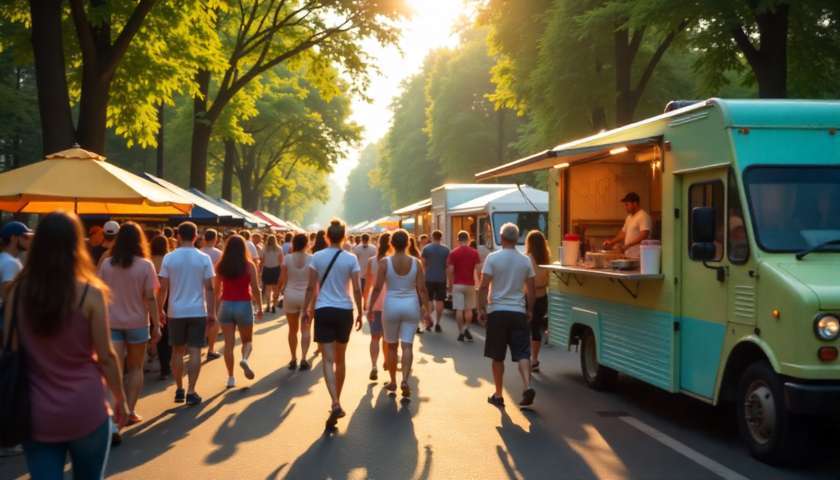
  • Food Truck Heaven

    Food Truck Heaven

    Food Truck Heaven by European Food Truck Festival – The global urban dining landscape has been revolutionized by the increasing prevalence of food trucks, which has generated dynamic opportunities for food entrepreneurs and vibrant social centers for communities. A dedicated space that unites a diverse array of mobile food vendors under one structure or open sky is the concept of Food Truck Heaven, which is central to this evolution. This article investigates the essential business and operational considerations, variations, strategies to attract visitors and purveyors, and defining characteristics of Food Truck Heaven as a culinary destination.

    Food Truck Heaven
    Food Truck Heaven

    Defining “Food Truck Heaven”

    Food Truck Heaven is a new and enticing concept in the food service industry that has established a vibrant culinary destination that connects diverse food entrepreneurs with enthusiastic consumers. Success is contingent upon the cultivation of convenience, community, and variety, regardless of whether the venue is a permanent park, rotating center, or hybrid. A prospering ecosystem is established by the combination of operational excellence, effective marketing, and engagement efforts, which provide customers with an enriching dining experience and enable vendors to thrive. Food Truck Heaven serves as a beacon for the future of communal dining as urban lifestyles adopt casual, accessible, and diverse food options.

    The Concept of Food Truck Heaven

    Food Truck Heaven is a physical location that is designated as a food truck park, food truck center, or culinary incubator at its most basic level. It is typically located in a spacious outdoor area or a specially designed venue and is home to a variety of food trucks, either on a permanent basis or through a rotating array.

    In response to the increasing demand for varied, convenient, and high-quality street cuisine experiences, this concept has been developed. Food Truck Heaven transforms the urban food scene into a vibrant destination that promotes social interaction, culinary exploration, and community building by centralizing numerous food trucks in a single, easily accessible location. Not only does the area function as a center for food enthusiasts, but it also frequently functions as a cultural hub, hosting events, games, and music to improve the overall experience.

    Key Elements of Food Truck Heaven

    There are several defining components that collectively form the identity of a Food Truck Heaven:

    • Variety: A successful food truck park boasts an extensive range of cuisines and menu styles. These often include crowd-pleasers such as tacos, BBQ, vegan and vegetarian options, gourmet desserts, ethnic specialties, and fusion dishes. The culinary diversity ensures there is something for every palate, increasing appeal to a wide demographic.
    • Community Engagement: Beyond just food, these spaces foster a sense of community by serving as venues for social gatherings, celebrations, and shared culinary experiences. They encourage interaction between patrons, vendors, and the local neighborhood, contributing to a lively atmosphere.
    • Amenities: To optimize visitor comfort and satisfaction, Food Truck Heaven is typically equipped with essential amenities. These include ample seating areas (sometimes shaded), clean restroom facilities, live music or DJ setups, and occasionally bars or recreational spaces such as game zones or outdoor lounges.

    Types of Food Truck Heavens

    Food Truck Heaven is not a one-size-fits-all concept. Generally, there are three primary operational models, each offering different advantages and challenges.

    The Permanent Food Truck Park

    In this model, food trucks occupy long-term fixed spots within a dedicated area or lot. Vendors often invest in customizing their spaces and benefit from a consistent location and customer base.

    • Pros: Stability in vendor schedules and parking; predictable customer traffic; shared infrastructure such as utilities, seating, restrooms, and waste disposal; opportunities for cohesive branding and marketing of the park itself.
    • Examples: Many urban and suburban areas have embraced permanent food truck parks as communal dining spaces and local attractions. These parks often serve as regular meet-up spots for families, professionals, and tourists alike.

    The Rotating Food Truck Hub

    This model focuses on a dynamic, rotating roster of food trucks that change daily or weekly. These hubs often appear in business districts, event venues, or central plazas.

    • Pros: Fresh and varied food options for repeat visitors; attracts a wider variety of vendors including seasonal and niche offerings; maintains high consumer interest through novelty.
    • Examples: Corporate campuses frequently host rotating food truck lunches, while city squares may feature daily food truck gatherings tied to festivals or markets.

    The Hybrid Model of Food Truck Heaven

    Balancing the benefits of both approaches, the hybrid model maintains a core group of permanent food trucks supplemented by rotating guest vendors.

    • Pros: Delivers both consistency for loyal patrons and new options to keep interest alive; broadens vendor exposure while maintaining a dependable shopping environment.

    Attracting Visitors & Vendors

    For Food Truck Heaven to thrive, strategic marketing and enhanced customer experience are paramount.

    Marketing Strategy

    • Social Media: Leveraging platforms like Instagram and TikTok with well-curated photos and videos showcasing mouthwatering dishes, the park’s ambiance, and ongoing events is essential to capturing attention and building a fan base.
    • Website & App: Maintaining a professional, mobile-friendly website with real-time updates on vendor lineups, menus, and special event calendars greatly improves customer convenience and repeat visitation.

    Enhancing the Experience

    • Events: Hosting live music performances, trivia nights, family-friendly activities, and seasonal festivals transforms the space from a dining area into an entertainment destination, increasing dwell time and revenue potential.
    • Partnerships: Collaborations with local breweries, distilleries, artisan vendors, or non-profit organizations enable cross-promotion and diversify offerings with beverages or merchandise.
    • Customer Amenities: Comfortable seating options, adequate shade structures, clean restrooms, and attentiveness to cleanliness and safety encourage visitors to linger, enhancing satisfaction and sales.

    Business and Operational Aspects

    Sustaining a Food Truck Heaven involves multiple revenue streams and meticulous operational planning.

    Revenue Streams

    • Vendor Fees: The primary income is often derived from leasing spaces to food trucks on a daily, weekly, or monthly basis. Fees vary depending on location, foot traffic, and services offered.
    • Ancillary Sales: Supplementing food offerings with sales of beverages (soft drinks, craft beer, wine), branded merchandise, or tickets for special events diversifies income sources.
    • Space Rental: Renting the venue for private parties, corporate functions, or community events can provide lucrative revenue and build strong community ties.

    Infrastructure Requirements

    • Utilities: Reliable access to electricity (or powerful generators), potable water, gas hookups, and waste disposal facilities is critical to vendor operations and compliance with health codes.
    • Zoning and Permits: Securing the relevant permits and ensuring zoning compliance are foundational to legally operating a food truck park. This includes health department approvals, fire safety inspections, and municipal authorizations.
    • Maintenance: Consistent cleaning, security measures, and general upkeep foster a safe and attractive environment, imperative for retaining vendors and attracting visitors.